


Why Your Local Taproom Probably Has a Beer You'll Hate (And Why That's Good)
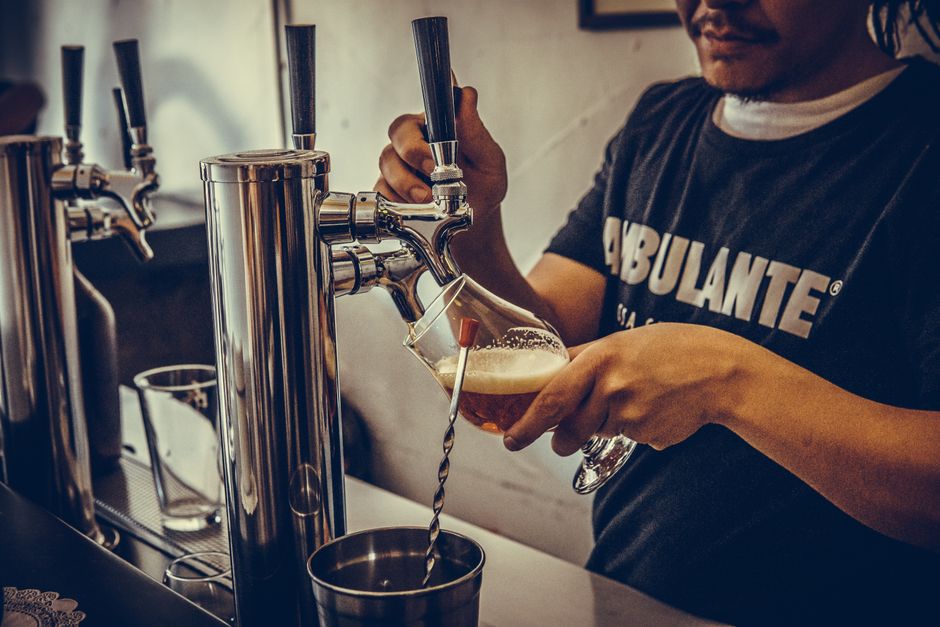
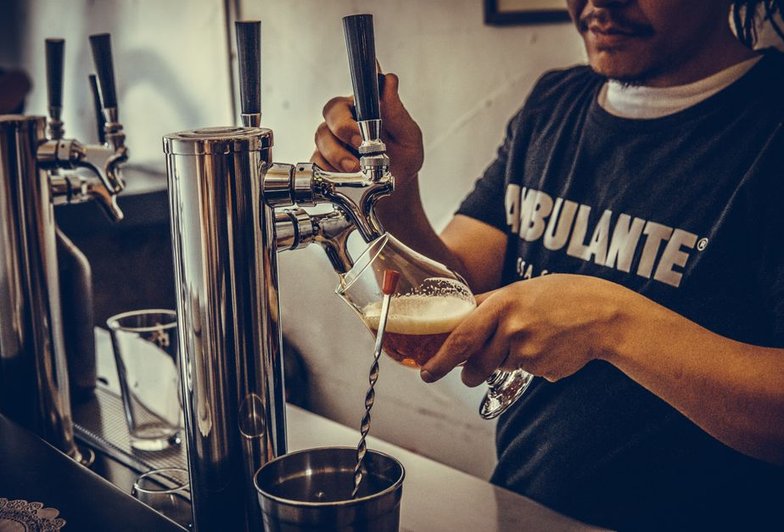
There's a particular kind of disappointment that hits when you walk into a brewery you love and scan the tap list only to find nothing you're in the mood for. Maybe it's all sours this week. Maybe there's a smoked porter and a chili-infused amber and a barrel-aged barleywine that costs more than your dinner. You came in wanting a clean pilsner and you're leaving with something you'll sip politely and never order again. It's tempting to walk out and find somewhere safer. Resist that instinct. A tap list that challenges you is usually a tap list worth trusting.
Breweries that only make beer you like are breweries that are playing it safe. They're making the same hazy IPA and the same pastry stout and the same easy-drinking blonde because those sell, and they're not risking a batch on something that might sit in the cooler for a month. There's nothing wrong with that, exactly, but it means the brewery isn't really exploring. The places that keep you on your toes are the ones where the brewer is chasing an idea, a season, an ingredient, or a fermentation experiment, and sometimes that means the tap list looks a little strange.
What a Weird Tap List Actually Tells You
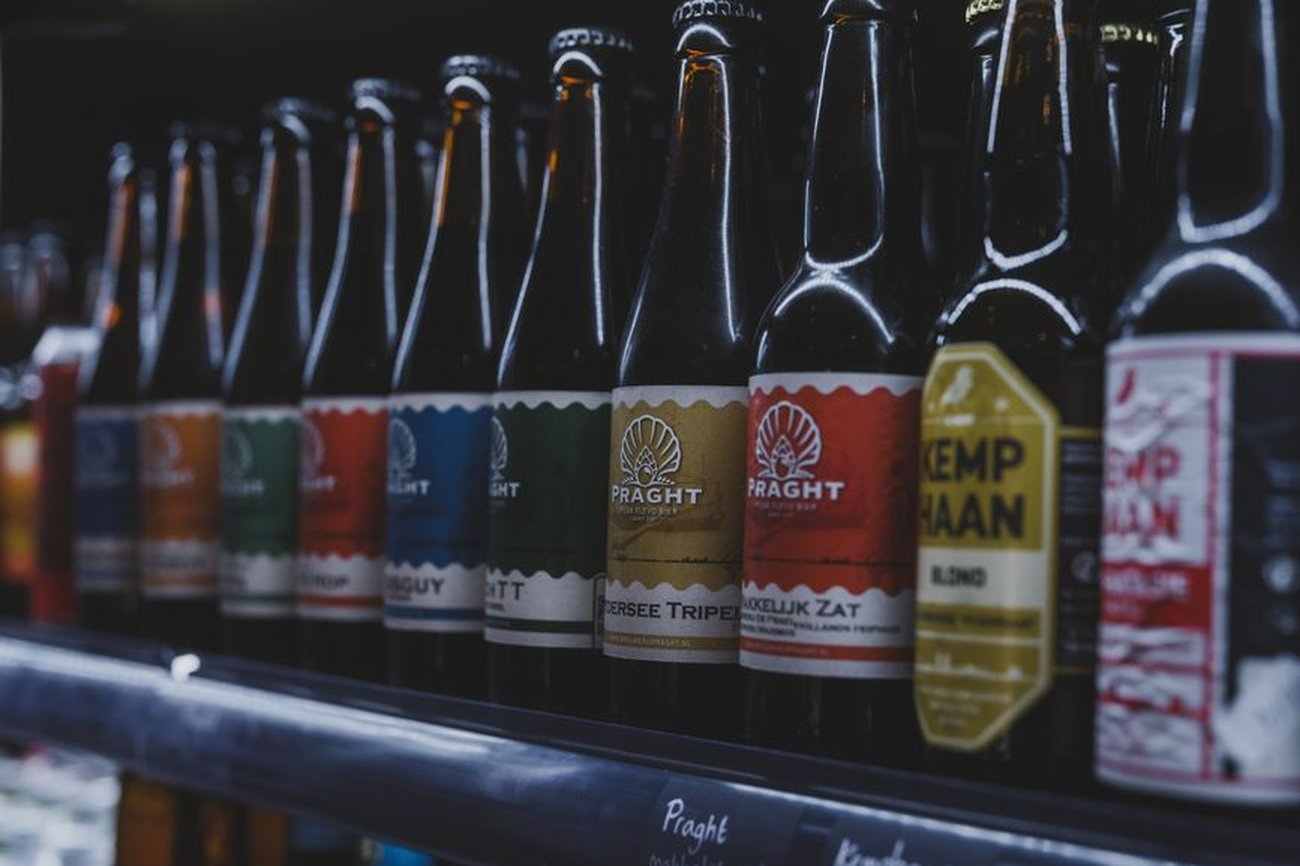
When you see a brewery pouring a grisette, a smoked wheat, a foeder-aged saison, and a dark mild alongside their flagship IPA, you're looking at a brewer who cares about range. That range matters for a few reasons. First, it means they're buying a wider variety of malt and hops, which usually means fresher ingredients and more interesting house character. Second, it means the brewers themselves are tasting widely, and brewers who taste widely tend to make better beer even in the styles they're known for. Third, it means they're probably not chasing trends as hard, because they have enough of their own identity to fill a tap list without leaning on whatever is selling this month.
There's also a practical upside for you as a drinker. A brewery with a broad tap list is a brewery where you can grow. If you've only ever drunk IPAs, the place with a kolsch and a witbier and a brown ale on tap is the place where you'll figure out what else you like. Order a small pour of something you're skeptical about. If it's not for you, you've lost a few dollars and gained a data point. If it is, you've just expanded your palate.
How to Order When Nothing Looks Familiar
Start with the beer that sounds the most boring. The pilsner, the helles, the cream ale. Breweries that nail a simple, clean lager usually nail everything else, because those styles leave nowhere to hide. If the boring beer is good, order the weird one. If the boring beer is bad, order the IPA and come back in six months. And if you genuinely can't find anything you want? Ask the bartender what they're most excited about right now. They usually know which keg is the passion project, and they usually love being asked.
The taproom experience is better when you let the brewery surprise you. A list you'd never design yourself is a list that's teaching you something.







A tap list full of beers you don't like is a sign of a healthy brewery, not a bad one.
Adding fruit to beer is easy to do badly and deeply rewarding to do well, and the difference is mostly timing and restraint.
Chasing rare releases is fun, but the brewery down the street is where craft beer actually lives.
Packaging is the least glamorous part of homebrewing and the one that most often decides whether your beer is good.
You do not need a garage or a backyard to brew excellent beer, just a little planning and the right compact setup.