



The Urban Beer Garden: Pairing Craft Beer with City Food
Beer pairing has a reputation for being fussy. You read about sommeliers matching a rare lambic with aged cheese, and it starts to feel like a hobby for people with too much time and too much money. But the truth is that beer is one of the most food-friendly beverages on earth, and the best pairings are not precious. They are the ones happening right now on your block: a cold pilsner with a slice from the corner pizza place, a hazy IPA with takeout dumplings, a dry stout with a diner burger at midnight. Urban life is full of these small, perfect combinations, and learning to see them is its own kind of pleasure.
The core principle of pairing is simple: match intensity, and look for contrast or harmony. A delicate beer gets lost next to a heavy dish, and a massive beer bulldozes a light one. So start by asking how bold the food is, then pick a beer in the same weight class. Beyond that, you can either echo flavors, like a roasty stout with a smoky barbecue plate, or contrast them, like a crisp, bitter IPA with a rich, fatty pork belly. Both work. The fun is in figuring out which one you prefer.
Pairings for the Way Cities Actually Eat
City eating is often fast, handheld, and eaten standing up. That is not a limitation; it is a style, and beer is its natural partner. A classic example is pizza. The combination of tomato acidity, salty cheese, and chewy crust cries out for something carbonated and slightly bitter. A German-style pilsner or a session IPA cuts through the fat and resets your palate between bites. A big, sweet imperial stout would overwhelm the slice, so save that for dessert.
Takeout dumplings and noodles are another urban staple, and they pair beautifully with beer. The savory, umami-rich filling of a pork dumpling loves a dry, crisp lager, while the chili oil and vinegar dipping sauce call for something with a little hop bite. A pale ale or a kolsch works here. For a bowl of rich tonkotsu ramen, reach for a beer with some body and a touch of sweetness, like an amber ale or a Munich dunkel, to stand up to the creamy broth without fighting it. The carbonation scrubs the richness, and the malt sweetness mirrors the pork.
Street Food, Spice, and the Case for Contrast
Street food is where pairing gets really fun, because the flavors are loud and the rules bend. Tacos al pastor, with their charred pork, pineapple, and chili, are a classic match for a fruity, hop-forward IPA. The tropical hop aromatics echo the pineapple, while the bitterness tames the grease. A margarita is the traditional choice, but a good IPA holds its own and then some. For a spicy bowl of mapo tofu or a plate of Nashville hot chicken, look for a beer with a touch of residual sweetness to cool the burn. A milk stout or a fruited wheat beer does the job, and the contrast between heat and sweet is deeply satisfying.
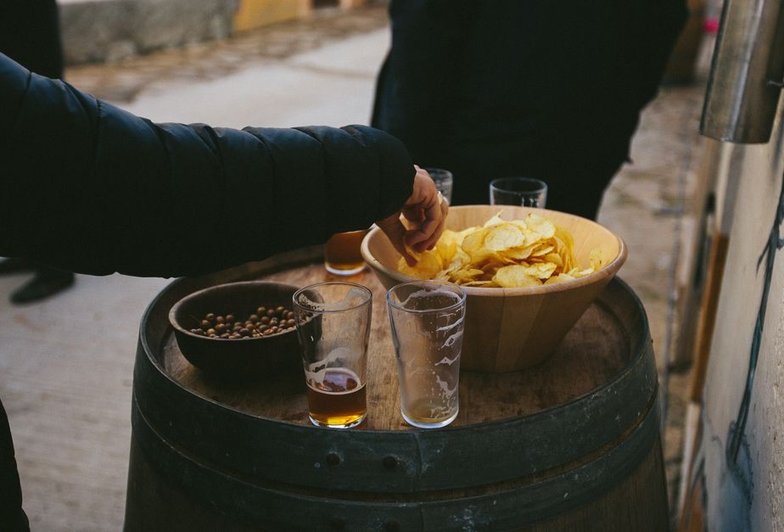
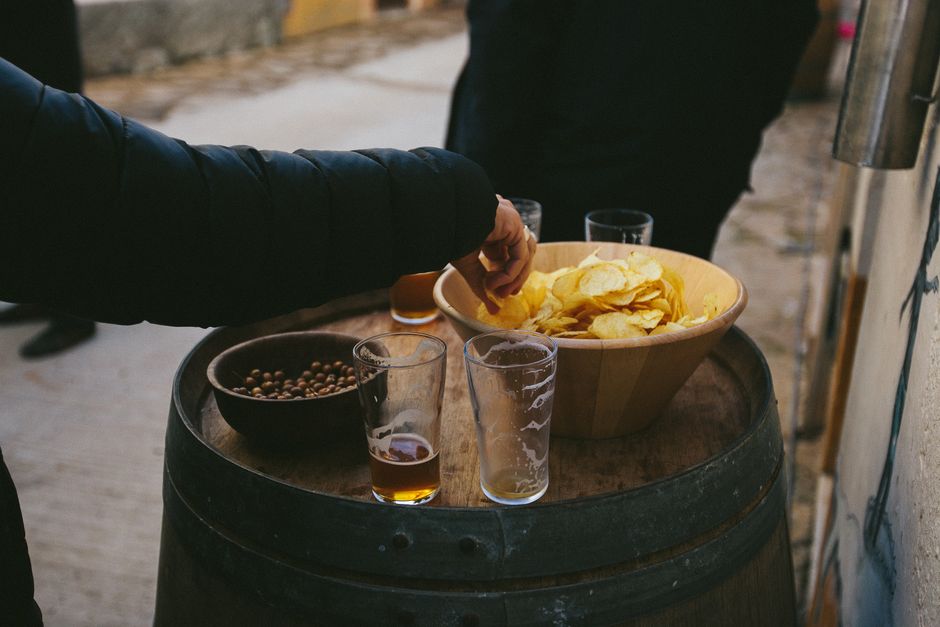
Farmers markets are another underrated pairing resource. A ripe summer tomato, a hunk of good bread, and a sharp cheddar is a meal, and it goes wonderfully with a saison or a dry Belgian-style ale. The beer's earthy, peppery yeast character complements the vegetables and the funk of the cheese. A bag of roasted nuts and a brown ale is a perfect autumn snack. A slice of watermelon and a gose, with its salt and coriander, is a summer revelation. You do not need a restaurant to pair well. You need a bench, a paper bag, and a little curiosity.
The best way to learn pairing is to stop overthinking it and start experimenting. Buy two or three different beers, order a few dishes, and taste them in different combinations. Take notes, even mental ones. You will quickly develop instincts, and those instincts will make every meal in your city a little more interesting. Beer is not a supporting player at the table. It belongs there, right next to the food.







From late-night ramen to farmers market tacos, the best beer pairings are the ones happening on your block.
For a few fleeting weeks each fall, brewers race to turn freshly picked hops into some of the most vivid beer of the year.
Fermentation temperature is the invisible ingredient most homebrewers ignore, and fixing it doesn't require a dedicated fridge.
A tap list full of beers you don't like is a sign of a healthy brewery, not a bad one.
Adding fruit to beer is easy to do badly and deeply rewarding to do well, and the difference is mostly timing and restraint.