



From Grain to Glass: A Beginner's Guide to All-Grain Brewing
Most homebrewers start with extract. You buy a can of syrupy malt, boil it with some hops, pitch yeast, and a few weeks later you have beer. There is nothing wrong with that. Extract brewing produces good beer, and it teaches you the fundamentals of sanitation, fermentation, and packaging without overwhelming you. But at some point, many brewers feel a pull toward something more. They want to understand where the flavor actually comes from. They want to control the mash, the temperature, the grain bill. That pull is the beginning of all-grain brewing, and it is worth following.
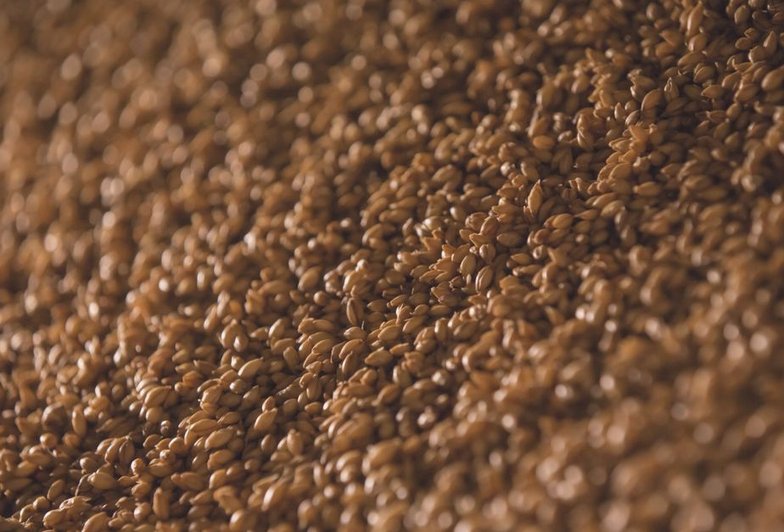
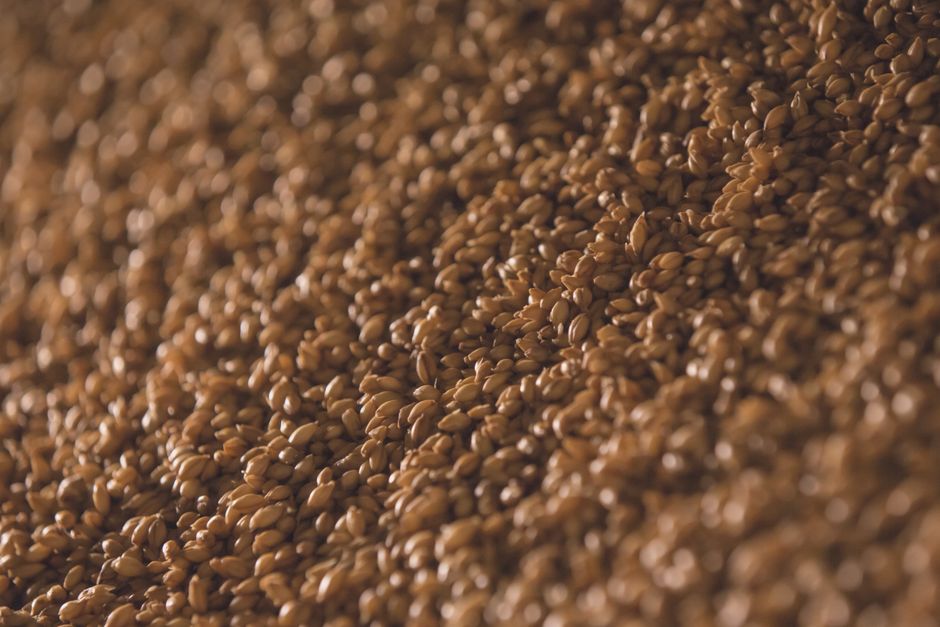
All-grain brewing means you start with malted barley instead of extract. You crush the grain, mix it with hot water in a vessel called a mash tun, and let enzymes convert the starches into fermentable sugars. Then you rinse the grains with more hot water, a step called sparging, to collect all that sweet liquid, which is now called wort. From there, the process is familiar: boil, hop, chill, ferment, package. The difference is that you are now in charge of every variable that shapes the beer, from the base malt to the mash temperature to the water chemistry.
The Mash: Where Flavor Is Made
The mash is the heart of all-grain brewing, and it is simpler than it looks. You are aiming for a temperature somewhere between 148 and 156 degrees Fahrenheit, held for about an hour. The exact temperature matters more than beginners realize. Mash cooler, around 148 to 150, and the enzymes produce more fermentable sugar, giving you a drier, thinner, more alcoholic beer. Mash warmer, around 154 to 156, and you get more unfermentable sugars, which means a fuller body and a sweeter finish. A single degree can shift the character of a beer, and that is exactly the kind of control extract brewing cannot give you.
You do not need expensive equipment to mash. A ten-gallon cooler with a braided hose or a false bottom works beautifully and holds temperature well. A large nylon brew bag in your existing kettle, a method called brew-in-a-bag, is even simpler and requires almost no extra gear. Brew-in-a-bag is how many apartment and small-space brewers go all-grain, because it collapses the mash tun and the boil kettle into one vessel. It is a legitimate technique, not a shortcut, and plenty of award-winning homebrew is made this way.
Sparging, Boiling, and the Habits That Matter
Sparging is where beginners often stumble. The goal is to rinse the sugars from the grain without extracting harsh tannins from the husks. Two things cause tannin extraction: water that is too hot, above about 170 degrees, and water with the wrong pH. Keep your sparge water in the 165 to 170 range and stop sparging when the runnings taste watery or the pH climbs. You do not need a lab. Your tongue and a cheap pH strip will get you most of the way there.
The boil is familiar territory, but all-grain wort behaves a little differently. It has more protein, so you will see a bigger, foamier hot break, and you need to watch for boil-overs. Keep a spray bottle of water nearby to knock down foam, and leave headspace in your kettle. Hop additions work the same as in extract brewing, though you may find that fresh wort takes hops a little differently. Take notes on every batch, because all-grain brewing rewards repetition and observation more than any single piece of equipment.
The real reward of all-grain brewing is not the gear or the bragging rights. It is the moment you taste a beer and realize you built its flavor from the ground up, choosing the grain, the temperature, the timing, and the hops. That connection is why so many brewers never go back. Start with a simple pale ale or brown ale, keep your process clean and consistent, and let each batch teach you something. The grain is waiting.
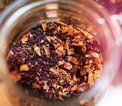





Extract brewing is a fine start, but going all-grain unlocks control, flavor, and a deeper connection to the craft.
From late-night ramen to farmers market tacos, the best beer pairings are the ones happening on your block.
For a few fleeting weeks each fall, brewers race to turn freshly picked hops into some of the most vivid beer of the year.
Fermentation temperature is the invisible ingredient most homebrewers ignore, and fixing it doesn't require a dedicated fridge.
A tap list full of beers you don't like is a sign of a healthy brewery, not a bad one.