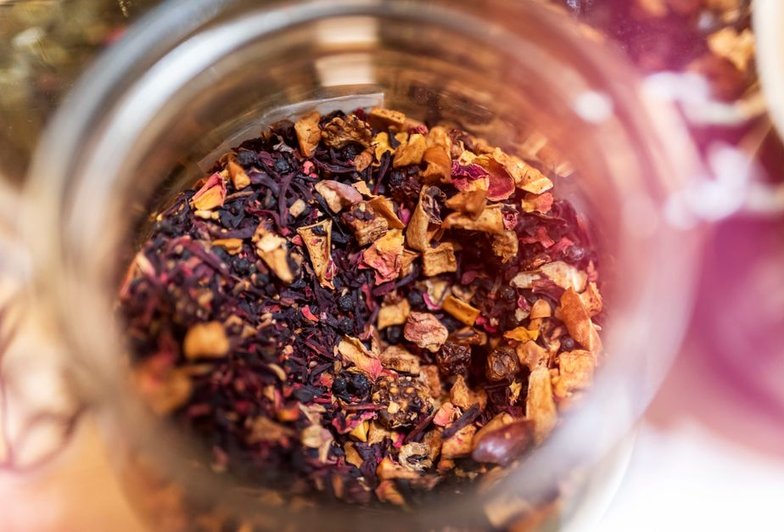




Brewing With What's in Season: A Homebrewer's Guide to Fruit and Spice
Every fall, homebrew forums fill up with the same hopeful posts. Someone has a backyard tree dropping more peaches than they can eat, or a farmers market haul of raspberries, or a pumpkin that's been sitting on the porch since October, and they want to know how to get it into a beer. The answer is almost always yes, but the process matters more than people expect. Fruit and spice additions are where a lot of otherwise solid homebrew goes sideways, not because the idea was bad but because the execution was rushed.
The first rule is simple: you're brewing beer, not making a smoothie. Fruit should support the malt and hops, not bury them. A good fruit beer tastes like beer with fruit in it, not fruit juice with a little malt behind it. That means using less than you think you need, adding it at the right moment, and picking a base beer that has enough structure to hold up. A delicate blonde ale with three pounds of raspberries will just taste like raspberries. A slightly stronger saison or wheat beer with the same fruit will taste like a conversation.
When and How to Add Fruit
There are three common places to add fruit, and each does something different. Fruit in the boil is the easiest but the least effective, because boiling drives off aromatics and sets pectin, which can haze your beer permanently. Fruit in secondary fermentation is the classic approach, and it works well if you're careful about sanitation and oxygen. Frozen fruit is actually ideal here, because freezing breaks cell walls and makes the sugars more accessible to yeast, and it's usually pasteurized or clean enough to use directly. Fruit in the keg or at packaging is the most aromatic option but also the most likely to referment in the bottle, so it's best for kegged beers.
Whatever route you take, expect the fruit to ferment. That means your final gravity will drop, your alcohol will rise, and your beer will get drier than you planned. You can compensate by mashing a little warmer or adding a touch of unfermentable sugar, or you can just lean into it and make a dry, refreshing fruit beer. Both are valid. What you shouldn't do is add fruit and then bottle without checking gravity twice a few days apart, unless you enjoy cleaning bottle bombs off the ceiling.
Spices, Herbs, and the Art of Restraint
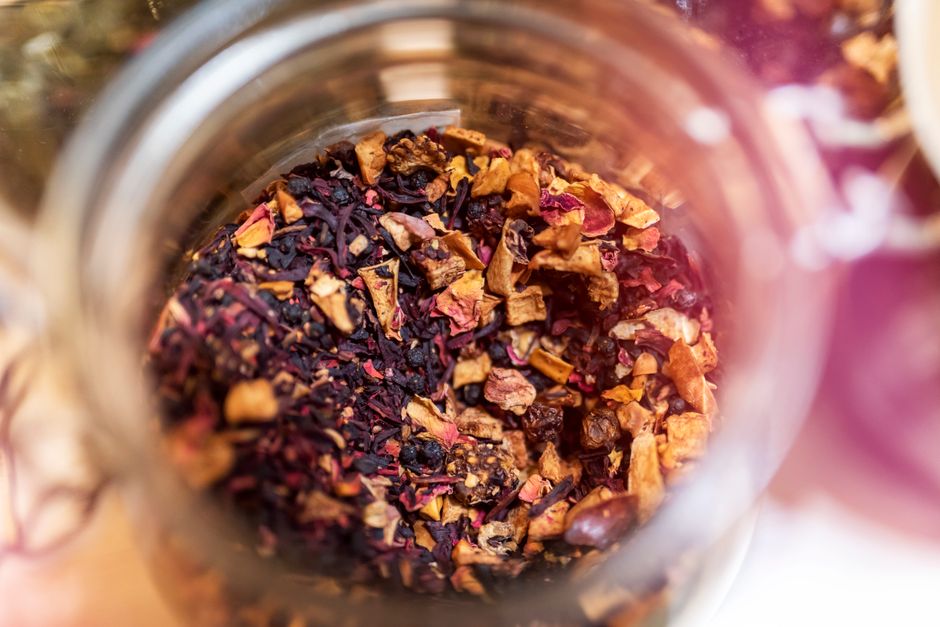
Spices are even easier to overdo than fruit. A single clove can dominate five gallons. A teaspoon of ground cinnamon can taste like potpourri. The trick is to treat spices like hops: add them late, taste often, and pull them when the flavor is where you want it. A tincture made with vodka and added at packaging gives you the most control, because you can dose a sample glass until it tastes right and then scale up. Whole spices, lightly crushed and added in a mesh bag at flameout, are the next best option. Ground spices in the boil are the fastest way to ruin a batch.
Seasonal brewing is one of the great pleasures of homebrewing, because it ties your hobby to the year. A rhubarb saison in spring, a peach wheat in summer, a pumpkin porter in fall, a spiced winter warmer in December. Each one is a small record of when you made it. Just remember that the fruit and spice are guests at the party, not the hosts. The beer is still the point.





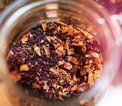

Adding fruit to beer is easy to do badly and deeply rewarding to do well, and the difference is mostly timing and restraint.
Chasing rare releases is fun, but the brewery down the street is where craft beer actually lives.
Packaging is the least glamorous part of homebrewing and the one that most often decides whether your beer is good.
You do not need a garage or a backyard to brew excellent beer, just a little planning and the right compact setup.
IBU, ABV, SRM, and those cryptic hop names on the can tell a story if you know how to read them.