




Small-Space Brewing: How to Make Great Beer in a Studio Apartment
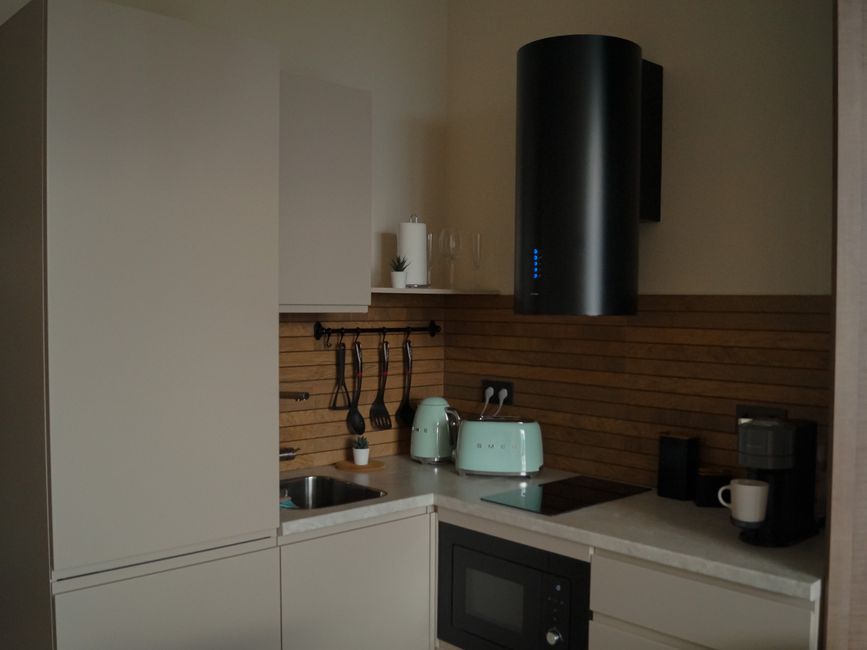
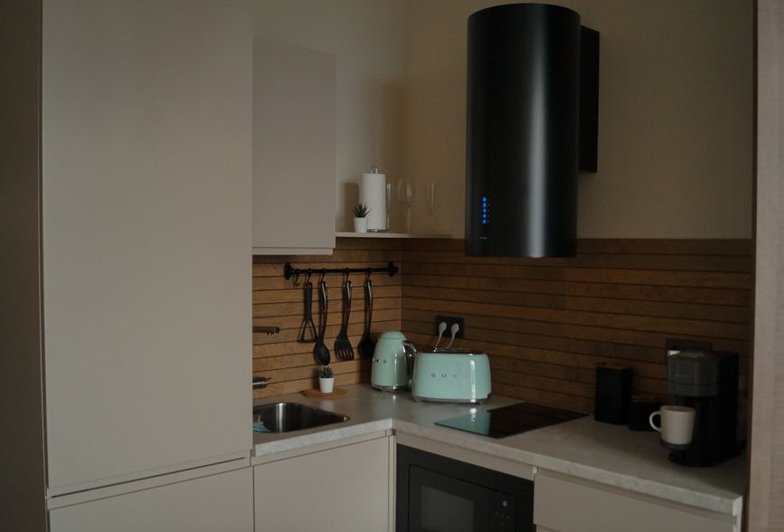
When people picture homebrewing, they usually imagine a garage full of carboys, a propane burner on a driveway, and a dedicated fermentation fridge humming in the corner. If you live in a 500-square-foot apartment in the city, that picture can feel like a cruel joke. But here is the thing: some of the best beer I have ever made came out of a cramped kitchen with a single electric stove and a closet that doubled as a fermentation chamber. Small-space brewing is not a compromise. It is its own discipline, and once you learn its rhythms, it can make you a sharper brewer.
The first move is to shrink your batch size. Five-gallon batches are the homebrew default, but they demand a lot of space, a lot of cooling capacity, and a lot of bottles. Dropping to one or two gallons changes everything. A two-gallon brew fits on a stovetop, chills in a sink of ice water in fifteen minutes, and ferments in a jug small enough to tuck under a desk. You also get to brew more often, which means faster learning. Making five batches of two gallons teaches you more than making two batches of five.
Equipment That Earns Its Square Footage
In a small apartment, every object has to justify its existence. Skip the turkey fryer and the giant cooler mash tun. A five-gallon kettle is plenty for two-gallon batches, and it doubles as a chili pot when you are not brewing. For fermentation, one-gallon glass jugs are cheap, stackable, and easy to clean. If you want to control temperature, a small plastic storage bin filled with water and a frozen bottle swapped in twice a day can hold ale temps surprisingly well. A thermometer strip on the side of the jug costs almost nothing and tells you more than an expensive gadget ever will.
Bottling is where apartment brewers tend to suffer, because you need space for dozens of bottles. The fix is to embrace smaller packaging. Swing-top bottles in the 16-ounce size are reusable, sturdy, and take up less room than a full case of longnecks. You can also bottle directly from the fermenter with a short length of tubing and a spring-tip filler, which keeps the mess to a minimum. If you have a dishwasher, bottling over the open door is a clean, contained workspace that saves your floor from sticky spills.
Managing Smells, Noise, and Roommates
Boiling wort fills an apartment with the smell of malt and hops. For most of us, that is a feature, not a bug, but roommates and partners may disagree. Brew with the window open and a fan pulling air out, and avoid brewing the same day you are hosting guests. Fermentation is the bigger concern, because a vigorously fermenting beer can throw off sulfur or fruity esters that linger. Keep the fermenter in a closet or bathroom with a towel over it, and the smell stays contained. If you have a spare bathtub, it is an excellent fermentation spot: cool, dark, and easy to clean.
Noise is mostly a non-issue with small batches, since you are not running a pump or a chiller. The one sound to watch is the airlock bubbling, which is oddly loud at 2 a.m. in a quiet apartment. A blow-off tube into a jar of sanitizer is quieter and safer for high-krausen yeasts. Above all, be considerate. Clean as you go, wipe down the stove, and never leave a sticky kettle on the counter overnight. Your roommates will tolerate the hobby a lot longer if the kitchen looks normal the next morning.
Small-space brewing forces you to be intentional. You cannot buy your way out of problems with more gear, so you learn to work with what you have. That constraint is a gift. Start with a one-gallon kit, brew something simple like a pale ale or a dry stout, and see how good beer can be when it is made in the corner of a city apartment.







You do not need a garage or a backyard to brew excellent beer, just a little planning and the right compact setup.
IBU, ABV, SRM, and those cryptic hop names on the can tell a story if you know how to read them.
Extract brewing is a fine start, but going all-grain unlocks control, flavor, and a deeper connection to the craft.
From late-night ramen to farmers market tacos, the best beer pairings are the ones happening on your block.
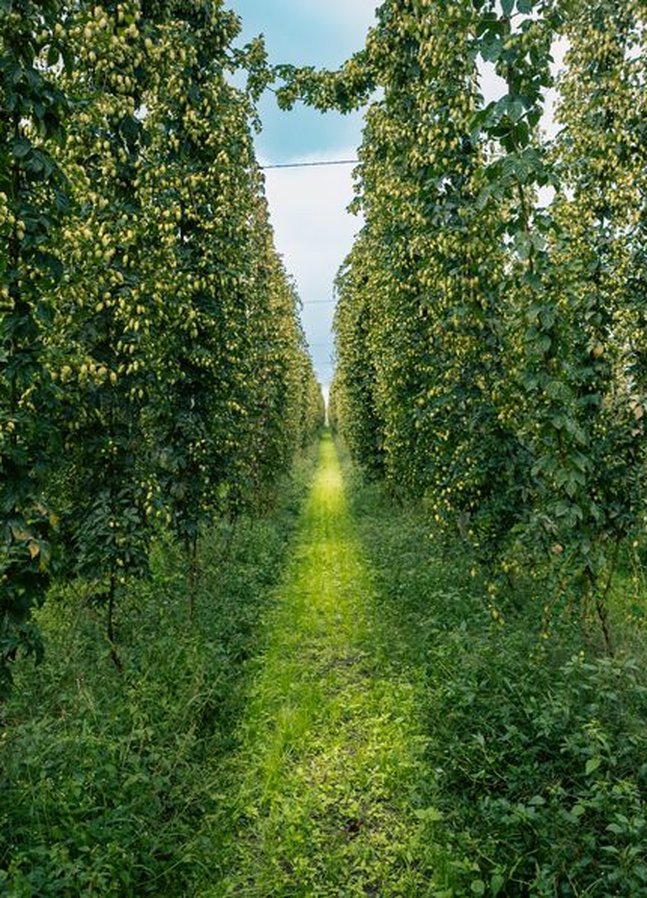
For a few fleeting weeks each fall, brewers race to turn freshly picked hops into some of the most vivid beer of the year.