



Bottle, Keg, or Can? A Practical Guide to Packaging Your Homebrew
You've brewed, fermented, dry hopped, and cold crashed. The beer tastes good out of the fermenter. Now comes the part that separates a decent homebrewer from a frustrated one: packaging. It's not exciting, and it's not the part anyone posts about, but it's where a lot of good beer quietly goes bad. Oxidation, inconsistent carbonation, infected bottles, flat kegs, foamy pours. All of these are packaging problems, and all of them are solvable with a little planning.
The first decision is format, and the right answer depends on how you drink, how you store, and how much you want to invest. Bottles are the traditional choice and the most flexible. Kegs are the fastest and most consistent. Cans are the newest option for homebrewers and the most expensive to get into, but they offer the best protection from light and oxygen. There's no single correct answer, but there is a correct answer for you, and it's worth thinking through before you buy anything.
Bottling: Cheap, Flexible, and Full of Traps
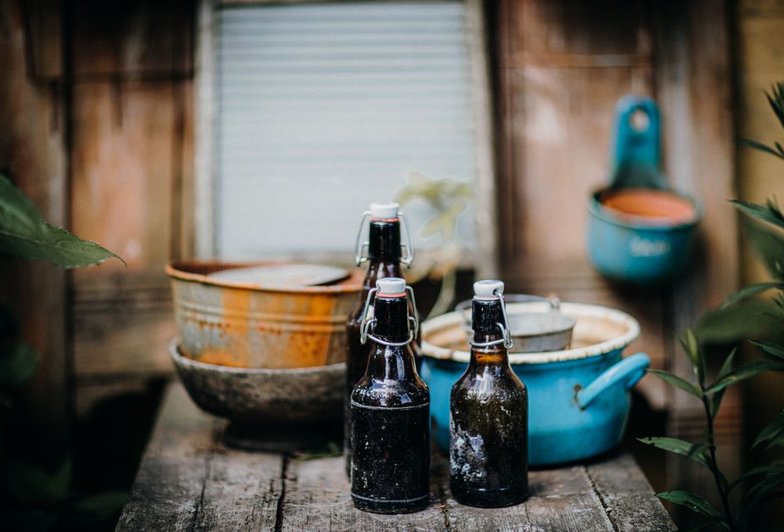
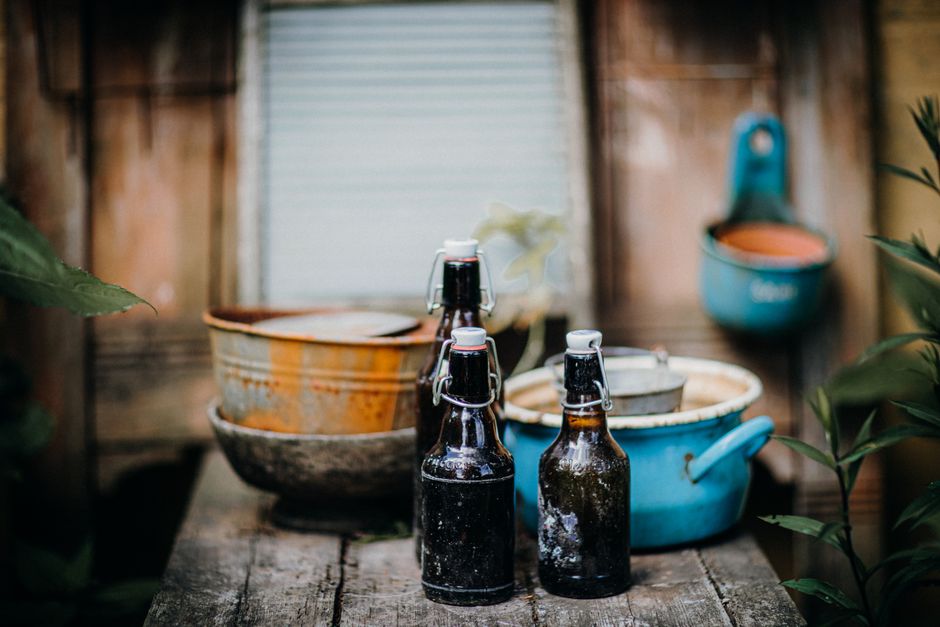
Bottling is where most homebrewers start, and for good reason. Bottles are cheap or free if you save them, they don't require a kegerator, and they're easy to share or give away. The traps are real, though. Bottle conditioning means you're relying on residual yeast to carbonate the beer, which means you need to measure your priming sugar accurately and mix it evenly. Too little and you get flat beer. Too much and you get gushers or bottle bombs. Uneven mixing gives you some of each in the same batch, which is the most annoying outcome of all.
Oxygen is the other enemy. Every time you transfer beer, you risk introducing oxygen that will stale the beer within weeks, especially in hoppy styles. The fix is to transfer gently, avoid splashing, and fill bottles from the bottom with a bottling wand or, better, a counter-pressure filler if you're serious. Cap on foam if you can, because the foam displaces oxygen. Store bottles in the dark and cool, and drink hoppy beers young. A bottle of homebrewed IPA that's been sitting warm for three months is a shadow of what it was at two weeks.
Kegging and Canning: When You're Ready to Level Up
Kegging is the upgrade most homebrewers eventually make, and it solves a lot of problems at once. You carbonate with forced CO2 instead of sugar, so carbonation is consistent and adjustable. You can purge oxygen with CO2, which dramatically extends the life of hoppy beers. You can pour a pint whenever you want without waiting for bottle conditioning. The tradeoff is cost and space. A basic kegging setup with a used keg, a CO2 tank, a regulator, and a picnic tap runs a few hundred dollars, and a kegerator adds more. But if you brew regularly, it pays for itself in time and consistency.
Canning is the newest frontier, and it's genuinely appealing. Cans block light completely, they're lighter to ship, and they're welcome at places bottles aren't. The catch is that home canning systems are still expensive and finicky, and you need to be careful about dissolved oxygen. For most homebrewers, cans are a someday upgrade rather than a next purchase. Whichever route you take, the principle is the same: minimize oxygen, control carbonation, and keep the beer cold and dark. Do those three things and your packaging will do right by the beer you worked so hard to make.







Packaging is the least glamorous part of homebrewing and the one that most often decides whether your beer is good.
You do not need a garage or a backyard to brew excellent beer, just a little planning and the right compact setup.
IBU, ABV, SRM, and those cryptic hop names on the can tell a story if you know how to read them.
Extract brewing is a fine start, but going all-grain unlocks control, flavor, and a deeper connection to the craft.
From late-night ramen to farmers market tacos, the best beer pairings are the ones happening on your block.