


Reading a Beer Label Like a Brewer: What the Numbers Actually Mean
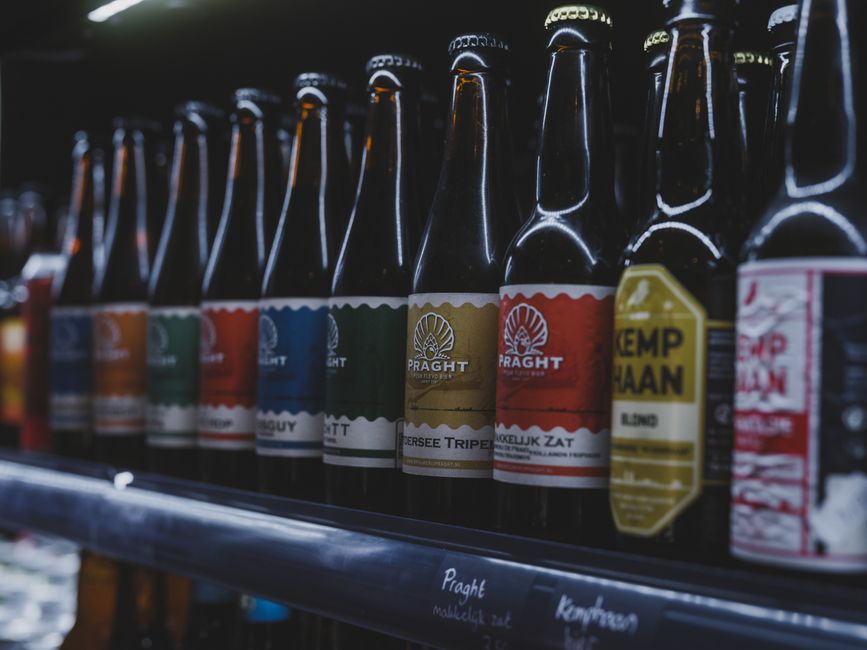
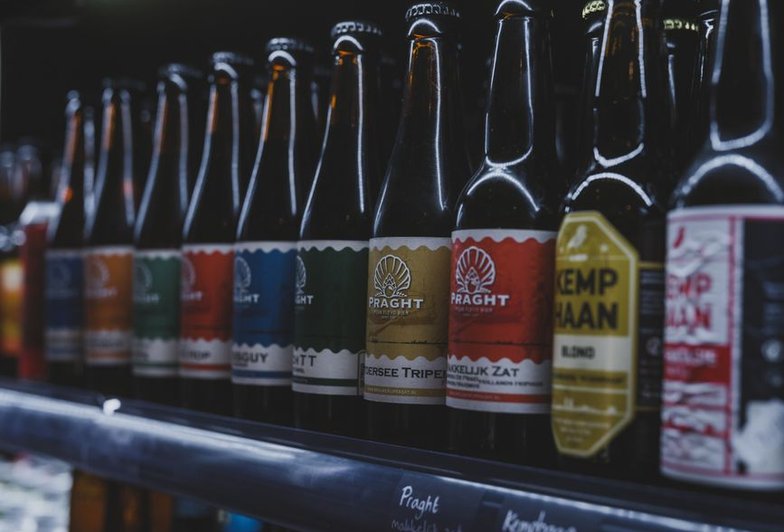
Walk into any good bottle shop and you are confronted with a wall of colorful cans, each one shouting its credentials: double dry-hopped, 8.2% ABV, 65 IBU, hazy, unfiltered, small-batch. It is easy to glaze over and grab whatever has the prettiest art. But those numbers and buzzwords are not decoration. They are a technical brief, and learning to read them turns a random purchase into a deliberate choice. Once you can parse a label, you can predict with reasonable accuracy whether you are about to drink something you will love or something you will politely finish and never buy again.
Start with ABV, alcohol by volume. This is the single most useful number on the can, because it tells you how the beer will feel in your mouth and in your evening. A 4% session ale is meant to be drunk in quantity, slowly, over conversation. An 11% barrel-aged stout is a sipping beer, a dessert, a thing you split with a friend. The trap is assuming higher is better. It is not. A well-made 4.5% pilsner is harder to brew than a mediocre 9% imperial anything, because there is nowhere to hide flaws. Respect the low-ABV beers.
IBU, SRM, and the Balance Game
IBU stands for International Bitterness Units, and it measures the isomerized alpha acids from hops. In practice, it is a rough guide to bitterness, but it is a flawed one. Two beers can both claim 50 IBU and taste completely different, because perceived bitterness depends on malt sweetness, carbonation, water chemistry, and hop variety. A 50 IBU West Coast IPA tastes bracing and sharp; a 50 IBU hazy IPA can taste soft and fruity because the residual sugars and proteins round off the edges. Use IBU as a hint, not a verdict.
SRM, or Standard Reference Method, measures color on a scale from about 2 (pale straw) to 40-plus (black). Brewers use it to describe the grist, and it is a decent clue to flavor. A beer in the 3 to 5 range is almost certainly a light lager or pilsner, crisp and clean. A beer in the 30 to 40 range is a stout or porter, likely roasty and rich. The middle ground, 10 to 20, is where amber ales, brown ales, and many IPAs live. Color does not determine flavor, but it correlates with the malts used, and malts drive much of the taste.
Decoding the Hop and Malt Language
The hop names on a label are the most fun part to decode. Citra, Mosaic, Galaxy, and Simcoe are all American or Australian hops known for intense tropical and citrus aromatics. If a label lists those, expect a fruit-forward, aromatic beer. If it lists Saaz, Hallertau, or Tettnang, you are looking at a noble-hop beer, likely a lager or a Belgian-style ale, with a spicy, herbal, restrained character. Old-world hops are subtle; new-world hops are loud. Neither is better, but they signal very different drinking experiences.
Malt descriptors work the same way. Words like Maris Otter, Munich, or Vienna suggest a toasty, bready backbone. Chocolate malt, roasted barley, and black malt mean dark, coffee-and-cocoa flavors. Carapils and crystal malts add sweetness and body. When a label says "single malt" or "all Pilsner malt," it is telling you the brewer wants you to taste the grain itself, cleanly, without distraction. That is a statement of confidence, and it usually means the beer is worth trying.
Next time you stand in front of that wall of cans, read the label like a brewer. Ask what the numbers are trying to tell you, and then taste the beer against that prediction. You will learn faster, drink better, and stop wasting money on cans that were never going to be your thing.





IBU, ABV, SRM, and those cryptic hop names on the can tell a story if you know how to read them.
Extract brewing is a fine start, but going all-grain unlocks control, flavor, and a deeper connection to the craft.
From late-night ramen to farmers market tacos, the best beer pairings are the ones happening on your block.
For a few fleeting weeks each fall, brewers race to turn freshly picked hops into some of the most vivid beer of the year.
Fermentation temperature is the invisible ingredient most homebrewers ignore, and fixing it doesn't require a dedicated fridge.