

Fresh Hop Season: Why Wet-Hopped Beers Are Worth the Wait
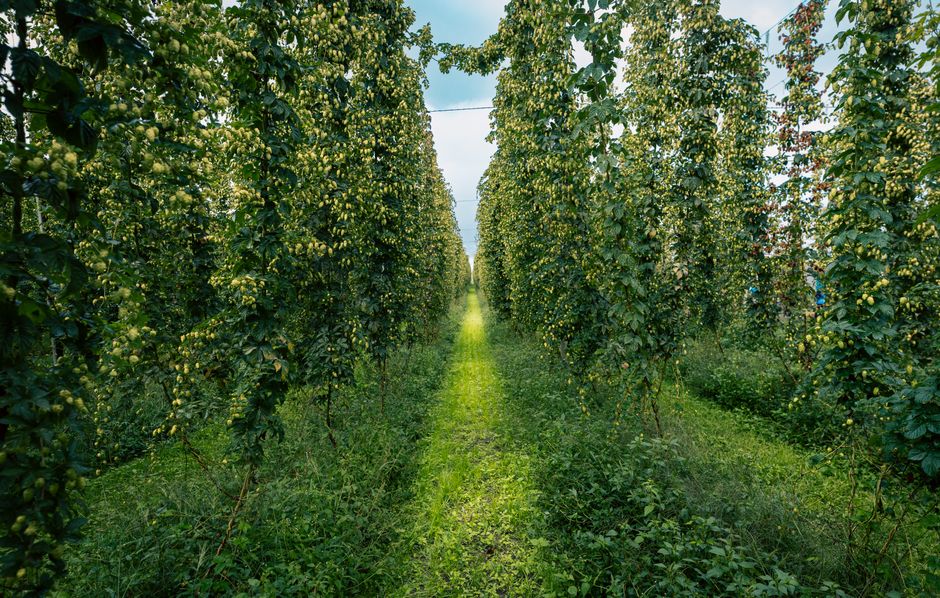
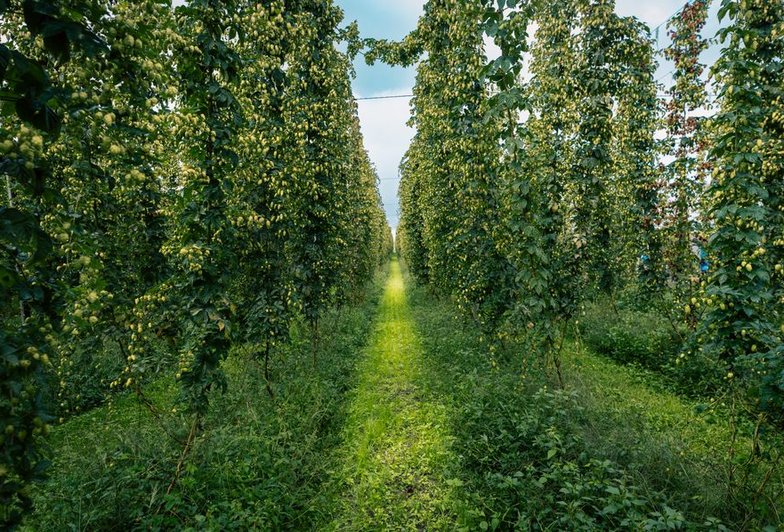
Every September and October, something strange and wonderful happens in the craft beer world. Brewers drop what they are doing, load up trucks and vans, and drive to hop farms to collect hops that were on the bine that very morning. Within hours, those hops go into a brew kettle, still wet and green and fragrant. The resulting beer, called fresh hop or wet hop beer, is unlike anything else you can drink the rest of the year. It is seasonal in the truest sense: for a few weeks, it exists, and then it is gone until next fall.
The reason fresh hop beer is special comes down to chemistry. When hops are harvested, they are usually dried and pelletized for stability and storage. That process is efficient and predictable, but it drives off many of the volatile oils that give hops their most delicate aromas. Fresh, undried hops retain those oils, and when they hit the kettle, they deliver a character that is greener, juicier, and more alive than any pellet can. Brewers describe it as tasting like the hop field smells, and that is remarkably close to the truth.
The Logistics of a Fleeting Ingredient
Fresh hops are a logistical nightmare, and that is part of what makes them romantic. They spoil fast. Once picked, they begin to degrade within hours, so brewers have to use them almost immediately. That means coordinating with farms, timing the harvest, and brewing on short notice. Many breweries make an annual pilgrimage to hop-growing regions, and some even brew on-site at the farm to shave hours off the clock. The beer has to be made in a narrow window, and if the weather or the schedule goes wrong, the batch does too.
Because fresh hops are mostly water, you have to use a lot more of them than you would pellets to get the same effect. Recipes get adjusted on the fly, and brewers often throw in far more pounds of hops than they would in a standard batch. The result is a beer that is expensive to make and impossible to replicate exactly year to year. That impermanence is the point. A fresh hop IPA from this fall will not taste like last fall's, and that is not a flaw. It is a snapshot of a particular harvest, a particular farm, a particular day.
What to Look For and How to Drink It
Fresh hop beers are almost always meant to be drunk young. The whole appeal is the bright, volatile hop character, and that fades quickly. Unlike a barrel-aged stout that can sit in your cellar for years, a fresh hop IPA is at its peak within weeks of packaging. If you see one on a shelf, check the date. If it is more than a month or two old, the magic is mostly gone. Buy it fresh, drink it fresh, and do not save it for a special occasion that may never come.
Style-wise, fresh hop beers tend to be pale ales and IPAs, because those styles showcase hops most directly. You will sometimes see fresh hop lagers, pilsners, or even saisons, and those can be lovely, but the classic expression is a wet-hop IPA. Look for descriptors like green, resinous, grassy, and juicy. The bitterness is often softer than in a standard IPA, because the fresh hops have not developed the same alpha acid concentration. What you get instead is aroma, and lots of it.
Pour it into a glass, ideally a tulip or a nonic pint, and give it a good sniff before you drink. The aroma is the main event. Notice how it evolves as the beer warms and sits in the glass. Fresh hop beer is not a beer to analyze to death. It is a beer to enjoy in the moment, ideally with a few friends, ideally on a crisp fall evening. It is the closest most of us will get to standing in a hop field, and that is worth celebrating while it lasts.







For a few fleeting weeks each fall, brewers race to turn freshly picked hops into some of the most vivid beer of the year.
Fermentation temperature is the invisible ingredient most homebrewers ignore, and fixing it doesn't require a dedicated fridge.
A tap list full of beers you don't like is a sign of a healthy brewery, not a bad one.
Adding fruit to beer is easy to do badly and deeply rewarding to do well, and the difference is mostly timing and restraint.
Chasing rare releases is fun, but the brewery down the street is where craft beer actually lives.