



The Case for Drinking Local: Why Your Neighborhood Brewery Beats the Hype Release
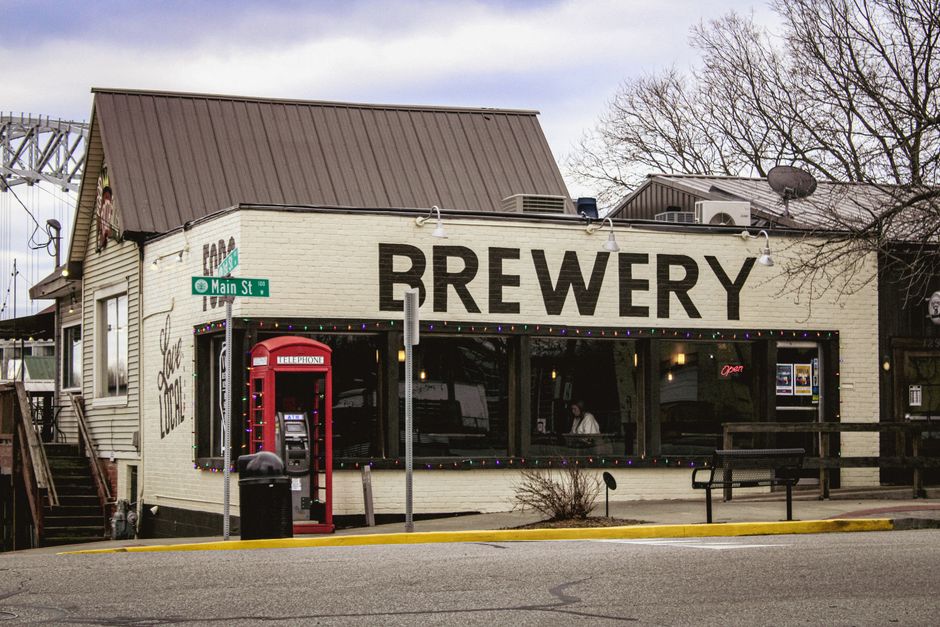
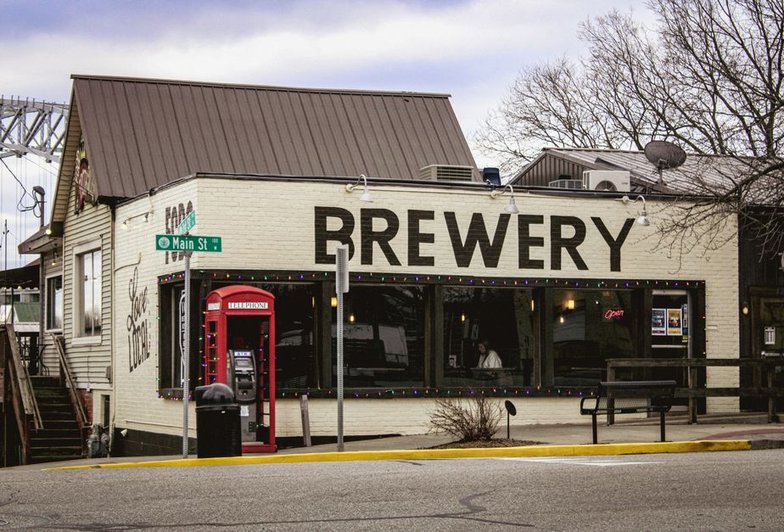
There's a ritual to the modern beer release. The announcement drops on social media, the line forms before opening, the cans sell out in an hour, and by the end of the week people are trading them online like baseball cards. It's exciting, and there's nothing wrong with enjoying it. But somewhere along the way, a lot of beer drinkers started treating the hype release as the main event and the local brewery as background noise. That's backwards, and it's worth saying out loud: the brewery in your neighborhood, the one you can walk to on a Tuesday, is where craft beer actually lives.
Local breweries are the ones brewing for the people who drink there. They're not shipping cans across the country, so they don't have to design beers for shelf stability or long transport. They can make a fresh-hopped pale ale that's best within two weeks, a cask ale that has to be drunk on site, a seasonal that exists for a month and disappears. They can experiment because their audience is right in front of them, and that audience will tell them honestly whether the experiment worked. A taproom is a feedback loop in a way that a distribution strategy never is.
What You Get From the Brewery Down the Street
When you drink at a local brewery regularly, you get things no hype release can offer. You get to know the beer as it changes batch to batch. You get to taste a recipe as it evolves, and you get to see a brewer respond to what people actually think. You get the pleasure of a beer that was brewed twenty feet from where you're sitting, which sounds sentimental until you taste how much freshness matters in a pilsner or a hazy IPA. You get events that aren't engineered for virality: trivia nights, food trucks, anniversary parties, the kind of low-key gatherings that make a place feel like yours.
You also get value. Hype releases often cost two or three times what a comparable local beer costs, and the difference is mostly scarcity and shipping. A fresh local IPA at the brewery is usually cheaper than the same style in a can from a brewery three states away, and it's almost always better because it hasn't spent a week on a truck. That's not a knock on the hyped breweries. Many of them make excellent beer. It's just an acknowledgment that distance has a cost, and you're paying it.
How to Be a Good Regular
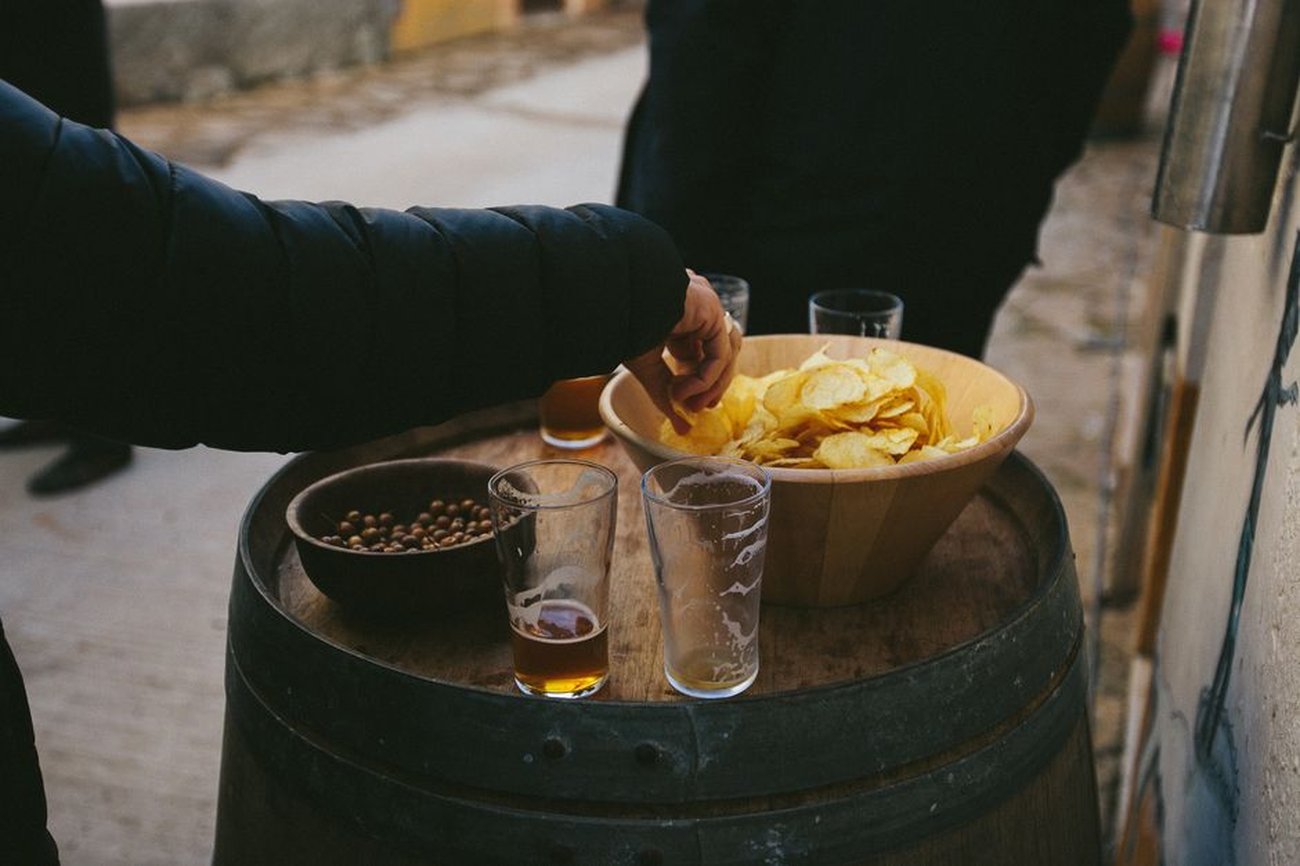
Being a regular at a local brewery is a skill, and it pays off. Go on weeknights when the bartender has time to talk. Ask what's new on tap rather than ordering the same thing every time. Bring friends who don't know craft beer and order them a flight. Buy a shirt, buy a membership, buy the weird beer even if you're not sure about it. Tell the brewer when something is good, and tell them when something isn't, politely. They want to know. The relationship between a brewery and its regulars is the thing that keeps small breweries alive, and it's also the thing that makes drinking beer more fun than chasing cans.
Hype releases will come and go. The brewery down the street will still be there on a Tuesday, pouring something fresh, and glad to see you.





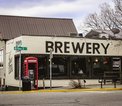

Chasing rare releases is fun, but the brewery down the street is where craft beer actually lives.
Packaging is the least glamorous part of homebrewing and the one that most often decides whether your beer is good.
You do not need a garage or a backyard to brew excellent beer, just a little planning and the right compact setup.
IBU, ABV, SRM, and those cryptic hop names on the can tell a story if you know how to read them.
Extract brewing is a fine start, but going all-grain unlocks control, flavor, and a deeper connection to the craft.